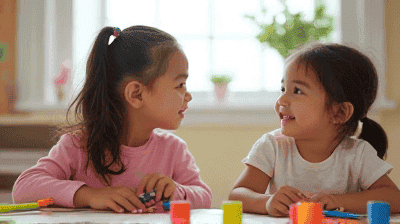
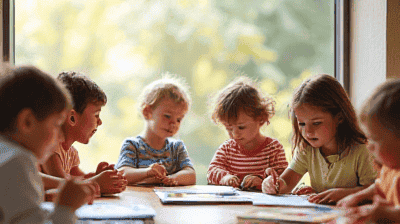
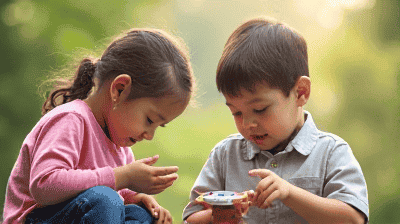
Early childhood education is a critical period that lays the foundation for a child’s future learning and development. Within this realm, play-based learning has emerged as a fundamental approach that significantly impacts children's growth. This article explores the vital role of play in early childhood education, examining how it shapes cognitive, social, emotional, and physical development.
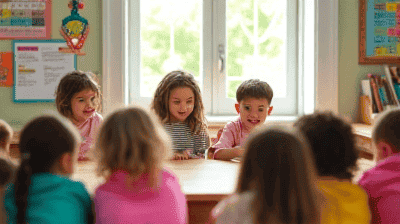
A positive classroom environment is a cornerstone of effective early childhood education. It serves not only as a space for learning but also as a sanctuary where young children feel safe, valued, and motivated. Early experiences in a nurturing environment can have a profound impact on a child's emotional, social, and cognitive development. This article will explore key strategies and tips that early childhood educators can implement to create a positive classroom environment conducive to growth and learnin
Storytelling is an ancient art that transcends cultures and generations, serving as an essential vehicle for communication, cultural preservation, and learning. When it comes to early childhood education, storytelling plays a pivotal role in engaging young children and fostering their love for language, imagination, and critical thinking. This article explores effective storytelling techniques that educators and parents can employ to captivate young audiences, enhance literacy skills, and encourage creativi
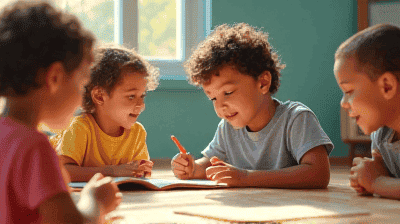
In today's diverse classrooms, addressing learning differences is more important than ever. Early childhood education sets the foundation for lifelong learning, and ensuring that all children, regardless of their unique needs, can thrive in this environment is essential. Developing inclusive practices in early education not only supports children with learning differences but also enriches the learning experience for all students. This article will explore the significance of inclusivity in early childhood
Independence is a crucial aspect of early childhood development. As preschoolers grow, it is essential for them to develop self-help skills that empower them to perform daily tasks independently. Encouraging these skills not only promotes self-confidence but also fosters a sense of responsibility and belonging. This article explores the importance of self-help skills, the foundational areas that need attention, and practical strategies that educators and parents can implement to foster independence in presc
Emotional intelligence is a critical skill that affects various aspects of a child's development, including their social interactions, academic performance, and overall well-being. Understanding and managing emotions, as well as the ability to empathize with others, are foundational elements of emotional intelligence. Cultivating these skills in early childhood sets the stage for successful relationships and emotional health throughout life. This article explores the importance of emotional intelligence in
In today’s digital age, technology is an integral part of daily life. For preschoolers, navigating technology is essential for developing the skills they will need in a rapidly evolving world. However, giving young children access to technology raises important questions about how to ensure that their engagement is healthy, educational, and safe. This article explores the concept of digital literacy for preschoolers, the importance of technology in early childhood education, and effective strategies for nav